OCCUPATIONAL HEALTH SERVICES
Industry and commerce are legislated by the Occupational Health and Safety Act (OHS Act No. 85 of 1993). Already, Asbestos-, Lead-, Environmental and Regulations for Hazardous Chemical Substances place particular requirements on employers to control conditions at work which might damage the health of their employees. We evaluate the effectiveness of such control measures by carrying out a quantitative assessment of the following occupational health stressors.
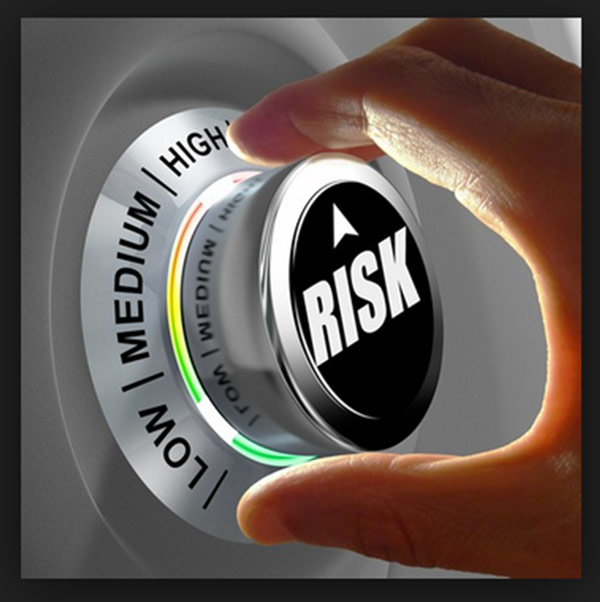
Health Risk Assessment
By doing a thorough risk assessment the following results are achieved:
- Identifying at-risk employees
- Monitoring for the relevant occupational hazards
- Providing correct information to management and employees
The following factors are considered in a risk analysis:
- Man - work practices, training, attitude and health
- Machine - equipment, tools, guards and controls
- Materials - toxicity, route of exposure, quantity
- Environment - facilities, ventilation, heat, cold lighting and noise
Occupational Health Services include:
Hazardous Chemical Substances
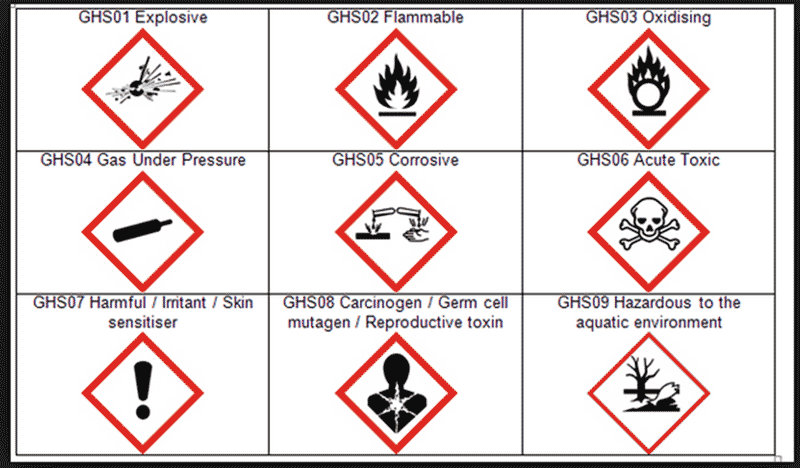
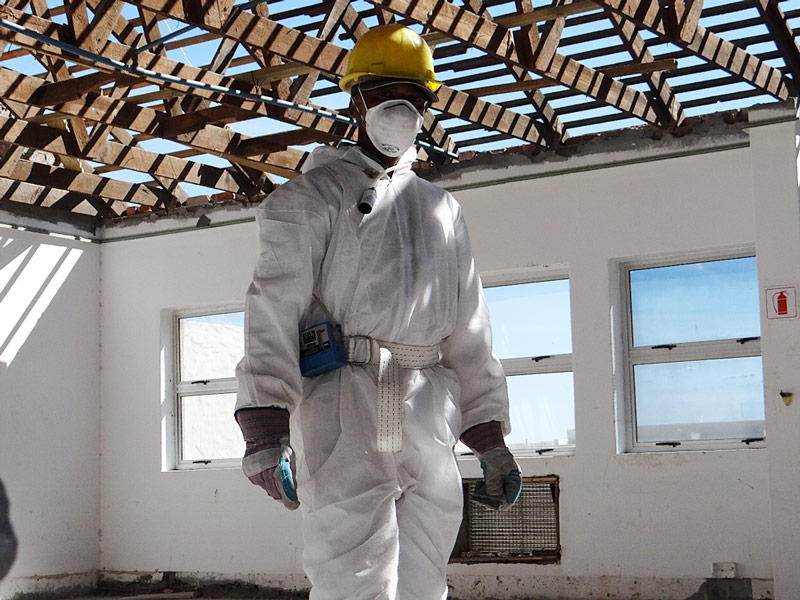
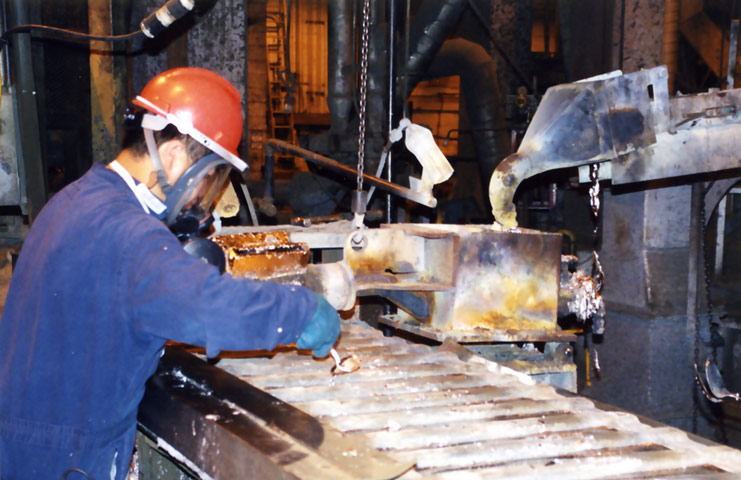
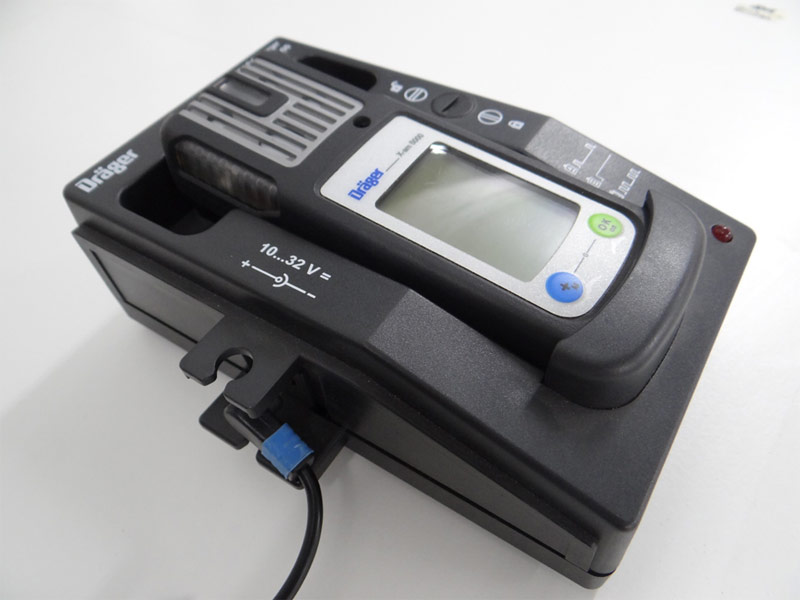
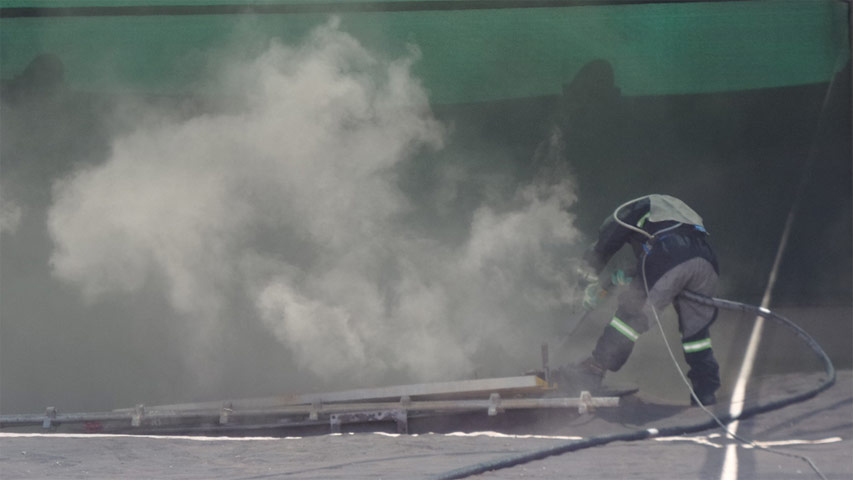
Employees are exposed to a wide array of chemical substances in the workplace. Expsosure to hazardous chemical susbstances is regulated by the Regulations for Hazardous Chemical Agents, 2020, Occupational Health and Safety Act, no 85 of 1993. Earth and Occupational Health Sciences is a SANAS accredited facility that will conduct air sampling according to internationally accepted methods and will prescribe control methods that are both practicable and cost effective. Risk assessment and monitoring of the following is performed:
- Particulates (dust)
- Gases, mists and vapours
- Asbestos
- Lead
- Compressed Airline Breathing Apparatus
- Confined Space Entry

Noise Surveys
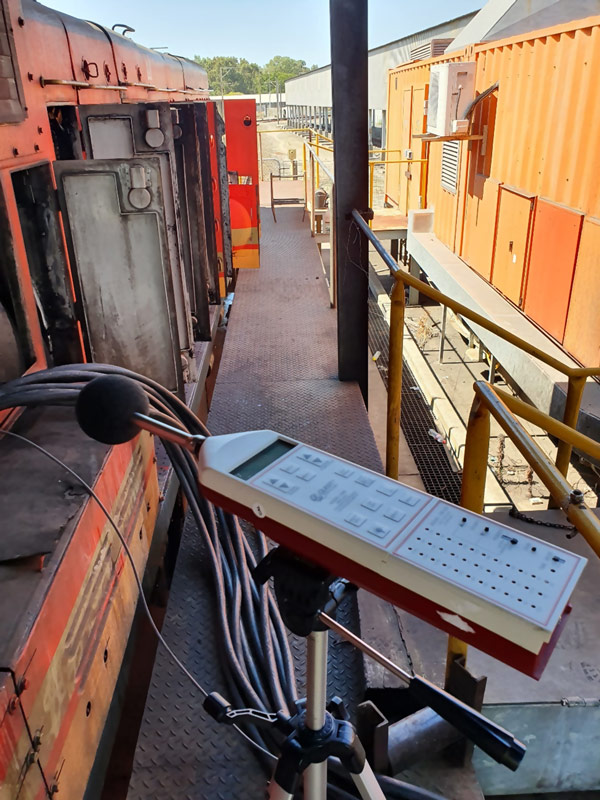
Sound is the sensation perceived by the human ear when a vibrating body causes rapid fluctuations in air pressure. Exposure to noise intensities above 85 dB(A) for eight hours has the potential to cause irreversible hearing damage. However, noise may also be of such a nature where it causes annoyance or discomfort amongst employees or members of the community.
The degree of annoyance largely depends on the frequency and noise of a high frequency is generally perceived as more annoying than noise of a low frequency. Although annoyance noise has few physiological effects on the body, it causes an increased irritability and fatigue.
Industry has become more mechanised since the Industrial Revolution. This has resulted in an increase in noise sources in the workplace. Today, noise is one of the most widely and most frequently experienced problems of the industrial working environment. Noise surveys for the following purposes are conducted:
- Hearing Conservation
- Environmental Impact
- Degree of Annoyance
- Control Purposes

Microbiological Sampling
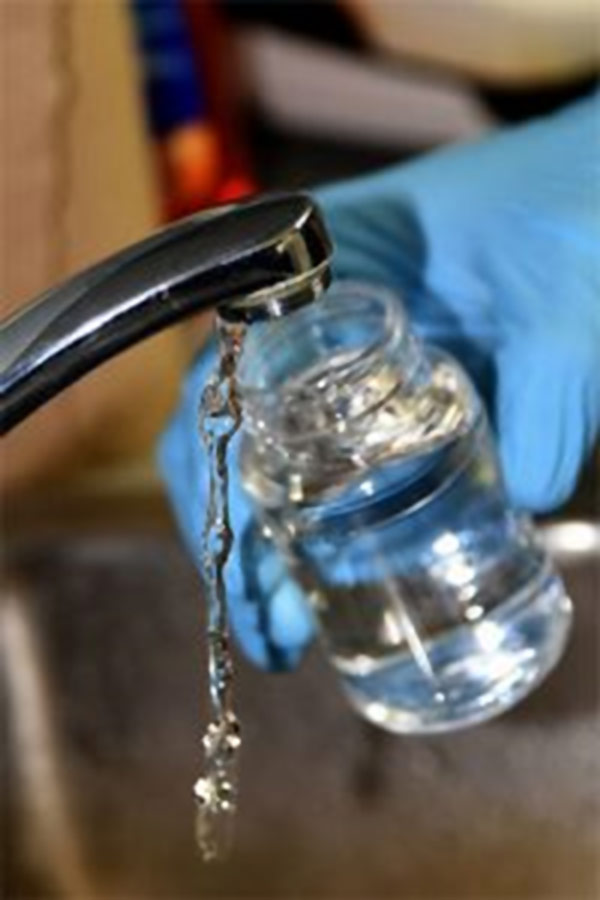
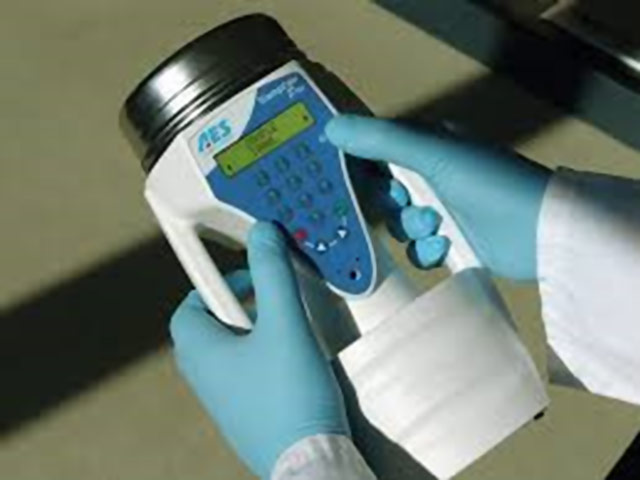
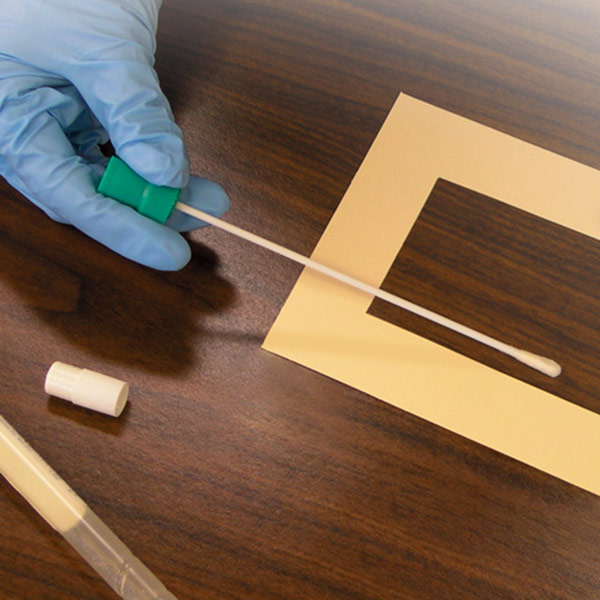
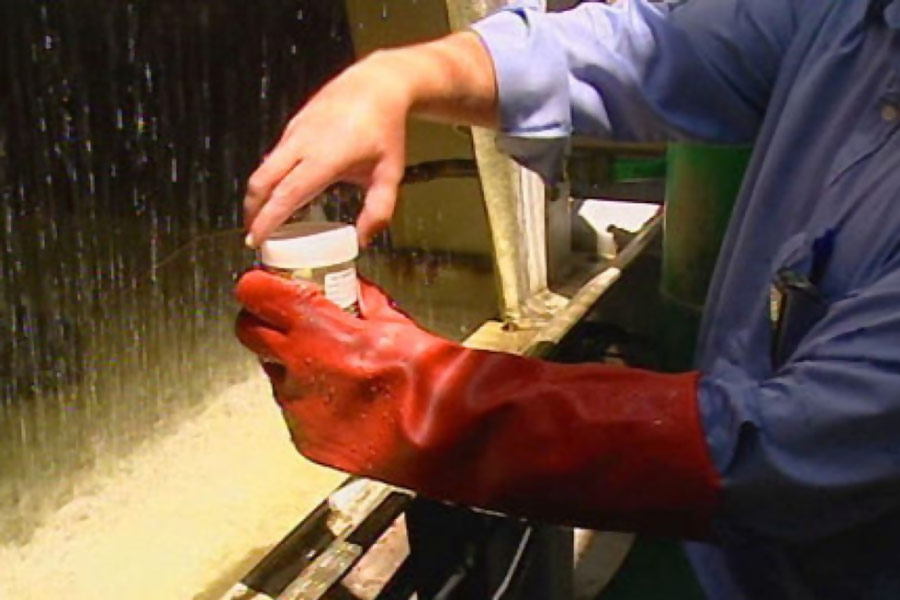
Air is actively drawn over agar plates by means of a microflow air sampler. Surface swab samples are taken on surfaces to assess cleanliness and effectiveness of hygiene practices at the organisation in general. The following microbiological testing is offered:
- Total microbiological activity (TMA)
- Yeasts and Moulds
- Surface swabs
- Water
- Legionella Bacteria

Thermal Stress factors
Cold Stress
Hazards associated with cold stress are manifested in two distinct fashions; systemic (hypothermia) and local (localized tissue damage). As hypothermia progresses, depression of the central nervous system becomes more severe. This accounts for the progression of signs and symptoms from sluggishness through slurred speech and unsafe behaviors to disorientation and unconsciousness. Measurement of exposure to dry bulb temperature and wind chill is performed to determine the severity of exposure in cold environments.
Heat Stress
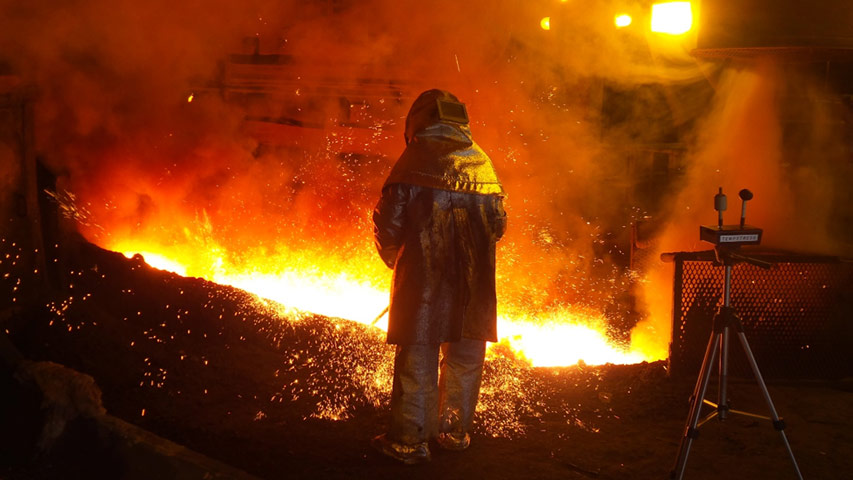
Exposure to high temperatures in the workplace may lead to heat related illnesses such as heat cramps, heat rash, heat exhaustion and heat stroke. Heat stroke is the most serious of heat illnesses. The onset is very abrupt resulting in the failure of body thermo-regulation mechanisms. Symptoms include loss of consciousness, a body temperature of at least 40,6 degC, failure of the sweating mechanism and the risk of permanent central nervous system damage. Measurement of exposure to dry, wet bulb and globe temperatures are performed and combined to determine the Wet Bulb Globe Temperature (WBGT) index.

Illumination Surveys
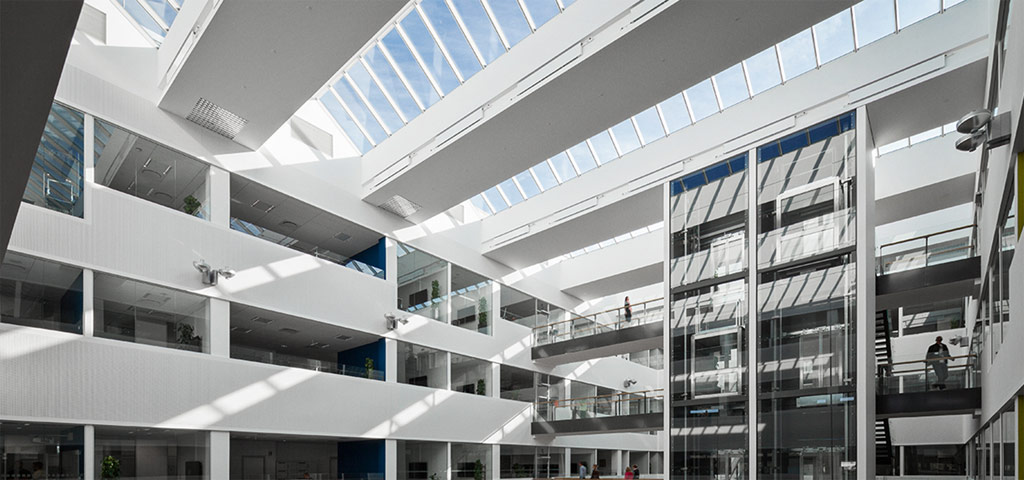
Poor illumination can contribute to the occurrence of accidents and economic loss due to product damage. Insufficient light, irritating glare, confusing shadows and excessive contrasts all prevent the worker from seeing clearly what he or she is doing and camouflages danger points and obstructions.
Illumination is not simply an expense, but an important production asset since it affects productivity in general hether in the office environment or in production areas. Measurement of illumination include:
- (Day and night time)
- General Illumination
- Specific Task Illumination

Indoor Air Quality surveys
The quality of indoor air is firstly a function of the quality of the outside air supplied to the indoor environment and secondly, a function of the natural deterioration of air in an enclosed environment. Deterioration of indoor air could be as a result of the:
- Release of odours.
- Formation of water vapour.
- Release of heat.
- Pollutants such as carbon dioxide, carbon monoxide and airborne particulates.
- Insufficient/unsuitable ventilation
The most commonly used parameters for the evaluation of indoor air quality includes carbon dioxide, carbon monoxide, respirable airborne particulate concentrations and microbiological counts. Indoor air quality is determined by means of the following testing:
- Characterisation of Health Complaints
- Ventilation and Filtration Assessment
- Chemical and Microbiological air contaminants sampling
- Temperature, humidity and air currents (indoor climate)
Ergonomics
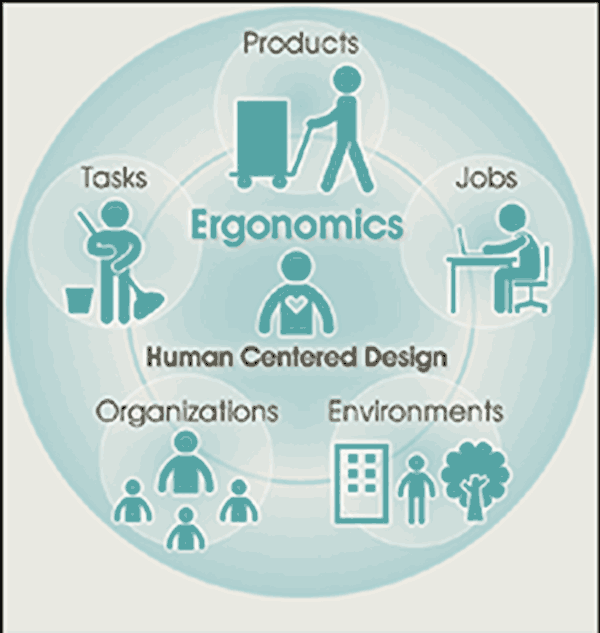
Ergonomics is a study of a person's behavior in relation to their work. The aim of ergonomics as a science is not only to ensure increased efficiency and productivity, but also to improve employee well-being. A sound ergonomic layout of the workplace may be attained by realization of the following:
- Altering the demands of work to the efficiency of a person to alleviate stress.
- Designing of equipment or installations to facilitate their operation with greater efficiency, accuracy and safety.
- Working out proportions and conditions of the workplace to ensure correct body posture.
Adapting lighting, air-conditioning and physical conditions in the workplace to suit the employee's physical requirements. Evaluation of the following aspects are performed:
- (Day and night time)
- Working Heights
- Design and Layout of Workstations
- Manual load handling
- Equipment and furniture
Vibration
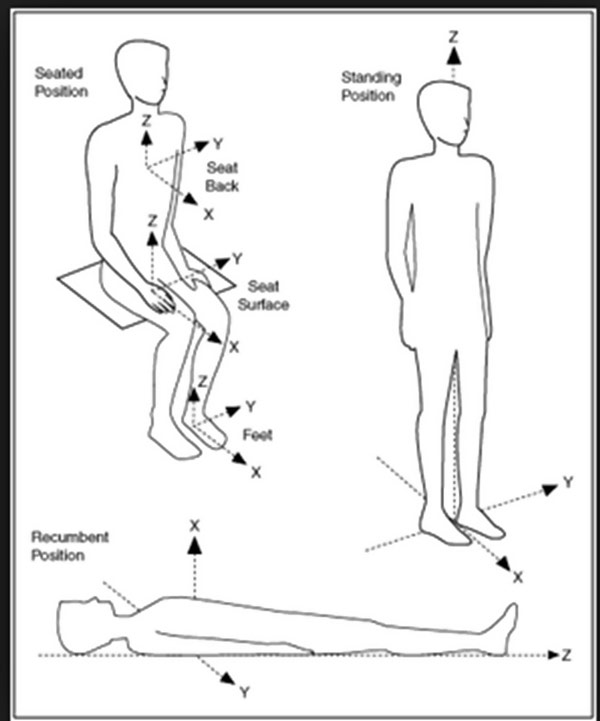
Exposure to vibration occurs in almost every situation of everyday life and is defined as the oscillation of a system around a central point. Increasing industrial mechanization has created a work environment where vibration is an increasingly common phenomenon.
Whole body vibration is measured to determine exposure during operation of vehicles and machinery. Exposure to this type of vibration may lead to symptoms that vary from car sickness, impaired vision, loss of clear sight and in more serious cases, changes in cardiovascular functioning. One of the most common symptoms associated with whole body vibration exposure includes lower back pain, adverse health effects to the back and inability to operate a land based vehicle properly.
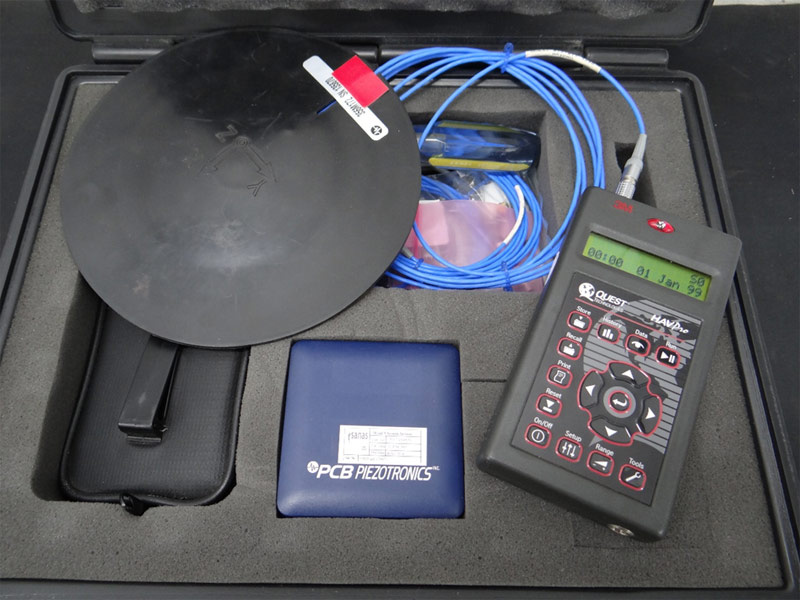
Hand-arm vibration is measured to determine exposure during operation of tools and equipment. Hand-arm vibration is more localized and its effects include calcification of the small joint bones in the hand, soft tissue injury, osteo arthritis and vascular disturbances. The occurrence of vibration white finger is the most common symptom associated with excessive exposures (also known as Raynaud’s phenomenon).